 +86 18296348816

 English
 Chinese
 German
 Spanish
 +86 18296348816
 All Uploads Are Secure and ConfidentialWritten by
Kat de Naoum
 1753 readPublished 2026-07-06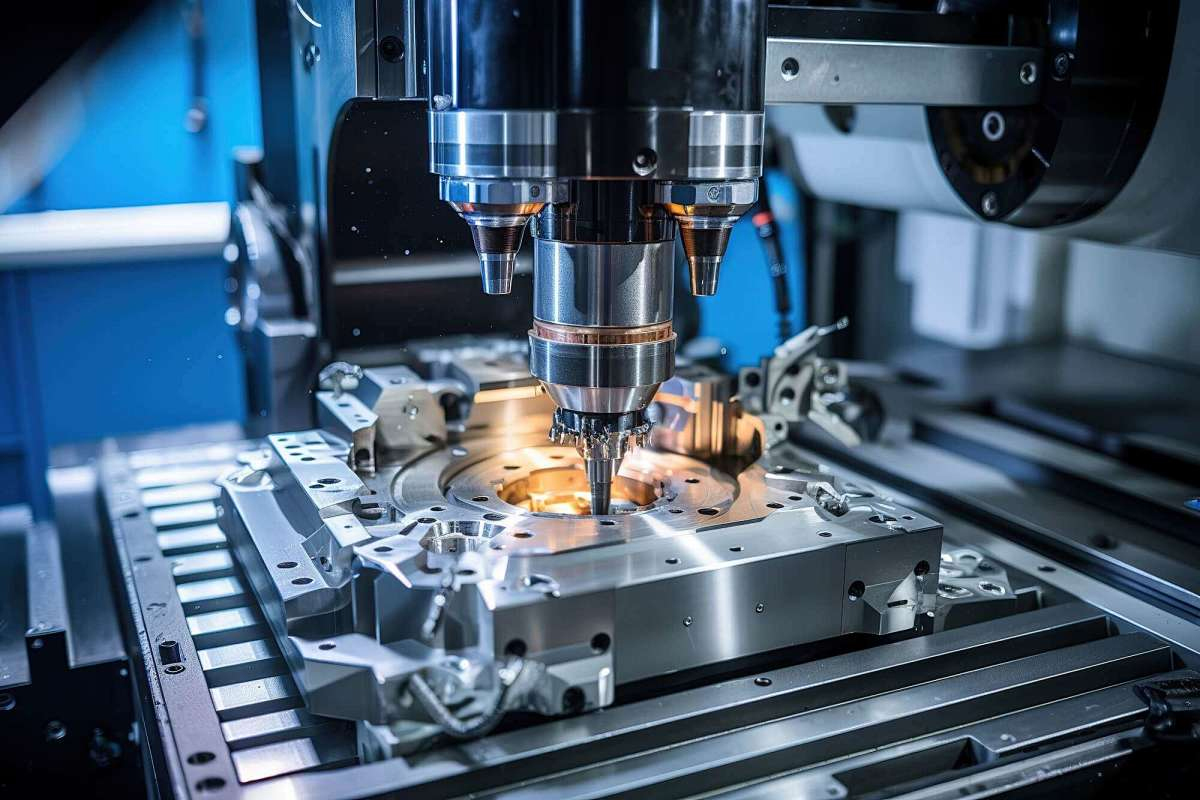
When you need functional prototypes or low-volume production parts quickly and cost-effectively, Vacuum Casting — also known as Urethane Casting or Polyurethane Casting — is often the best-kept secret in the manufacturing world. Vacuum casting bridges the gap when injection molding is too expensive and 3D printing is too slow or weak. A single silicone mold can produce 15–25 high-quality copies before wearing out.
Key advantages:
· Low startup cost-no expensive steel molds.
· Fast turnaround-7-10days from CAD to parts.
· Excellent surface finish – Directly replicates SLA or CNC finishes (Ra 0.8–1.6µm).
· Functional testing – Parts can be sanded, painted, threaded, and even used in low-load mechanical tests.
· Color & texture matching – Even transparent, soft-touch, or flame-retardant properties.
Typical Applications:
· Product development prototypes – Fit, form, function testing before mass production
· Bridge tooling – Small batches while waiting for injection molds
· Medical devices – Short-run enclosures, handles, test fixtures
· Consumer electronics – bezels, knobs, or remote controls
· Automotive interior parts – Vents, buttons, trim pieces (non-structural)
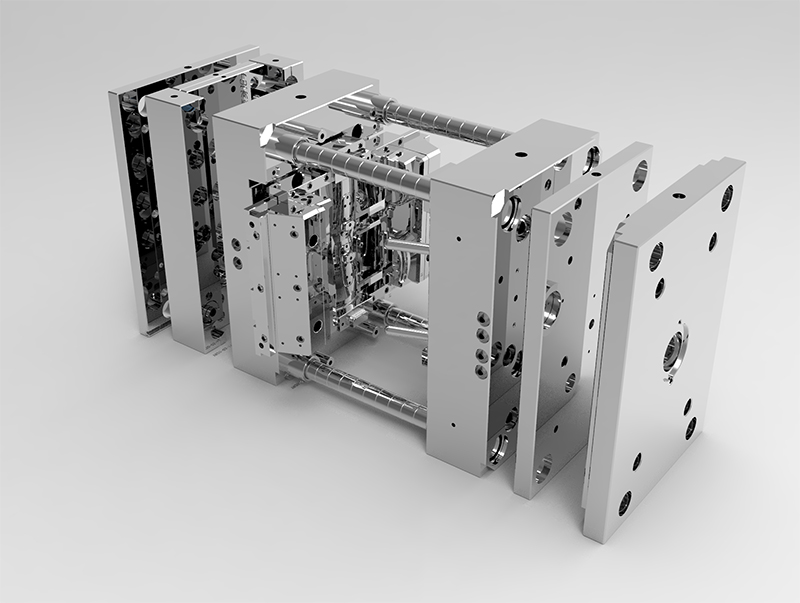
When moving to mass production, injection molding is the go-to process for plastic parts. Molten plastic is injected into a precision steel mold (called a tool or die). The plastic cools and solidifies into the shape of the mold cavity, producing identical parts at high speed.
Key advantages:
· Extremely high volume capability – Millions of identical parts per tool.
· Low per-part cost – Once the mold is paid for, each part costs pennies.
· Complex geometries – Undercuts, threads, ribs, and bosses can be molded in.
· Multi-material options – Overmolding and insert molding are possible.
· Wide material selection – Hundreds of engineering-grade thermoplastics.
· Minimal post-processing – Parts come out nearly finished.
Choose injection molding if you need:
· Extreme dimensional accuracy over millions of parts
· Engineering-grade material properties (high heat, chemical resistance, structural strength)
· Long-term production runs (months or years)
· The lowest possible per-part cost
Typical Applications: consumer electronics enclosures, automotive interior parts, medical disposables. We provide mold design, mold making, and process optimization to ensure high yield and dimensional stability.
3. Die Casting
Die casting is the injection molding of the metal world. It is a manufacturing process that produces complex, accurate metal parts by forcing molten metal into a reusable steel mold (called a die) under high pressure. From automotive transmission cases and smartphone frames to medical device housings and power tool bodies — die casting is the go-to process when you need metal parts in high volume.
Key advantages:
· High volume capability – Millions of identical metal parts per die.
· Thin walls possible – As thin as 0.5mm (0.020″) for zinc, 0.8mm for aluminum.
· Complex geometries – Undercuts, threads, logos, and cored holes can be cast-in.
· Smooth surface finish – Often requires little or no secondary machining.
· High production speed – 60–200+ shots per hour per machine.
· Long die life – Hardened steel dies can last 100,000–1,000,000+ shots.
· Near-net shape – Minimal material waste (scrap can be recycled).
Choose die casting if you need:
· Consistent, repeatable metal parts in high volume
· Good surface finish with minimal post-processing
· Thin walls and complex geometries
· Lightweight parts (aluminum or magnesium)
· Excellent thermal or electrical conductivity
Typical Applications: Transmission cases, engine brackets, steering knuckles, heat sinks for LED headlights, Smartphone frames (aluminum), laptop chassis (magnesium), camera housings, Surgical instrument handles, medical pump housings, imaging equipment frames, housing, Door handles, lock bodies, etc.
Regarding die casting and injection molding, we can provide DFM, including draft angles, wall thicknesses, ribs & gussets, gates, ejector pins, cooling channels, and so on.
Let's talk about your project. Upload your CAD file and drawing, and we will tell you exactly which process suits it best-no obligation.
1162 read1243 read


 info@yuntianmodel.com
cassidy@yuntianmodel.com
info@yuntianmodel.com
cassidy@yuntianmodel.com
 +86 18296348816
 +86 0769-22000869
 1st Floor, Building 2, No.123, Datang Road, Dalingshan Town, Dongguan City, Guangdong Province, China,523820
